

SEO, GEO & AEO your questions answered
AEO GEO SEO Strategy
Covering everything you need to know about SEO, GEO & AEO so you can be found on AI search and beyond. Request
What is SEO?
Search engine optimization explained
SEO, or search engine optimization, is the practice of improving a website’s content, structure, and technical setup so that it ranks higher in search engine results for the queries people actually use.
It works by aligning three things:
Relevance
Creating content that genuinely answers what searchers wantAuthority
Earning trust through quality and links from other reputable sitesAccessibility
Making sure search engines can crawl, understand, and index your pages, with fast load times and a good mobile experience
The goal is to attract more organic, unpaid traffic from people who are already looking for what you offer and adding relevant content.
What is GEO?
Generative engine optimization explained
GEO, or Generative Engine Optimization, is the practice of shaping your content so that AI-driven tools like ChatGPT, Perplexity, Google’s AI Overviews, and Claude surface, cite, and accurately represent your brand in the answers they generate.
It is based on three main things:
Clarity
Writing in direct, well-structured language with clear definitions and answer-first formatting, so models can easily extract and quote your contentCredibility
Building authority through original data, expert authorship, and mentions across trusted third-party sources that AI systems draw onMachine readability
Using structured data, clean site architecture, and consistent entity information so that AI systems can correctly identify who you are and what you offer
The goal is to become a source that generative engines trust enough to include in their responses, even when the user never clicks through to a traditional search result.
What is AEO?
Answer engine optimization explained
AEO, or Answer Engine Optimization, is the practice of structuring your content so that it provides direct, concise answers to specific questions, making it the source that search features and voice assistants pull from. This includes featured snippets, “People Also Ask” boxes, and voice responses from Siri, Alexa, and Google Assistant.
It generally depends on three things:
Question alignment
Identifying the real questions your audience asks and answering each one plainly, ideally in the first sentence or two beneath a question-style heading)Structured formatting
Using short paragraphs, lists, tables, and FAQ or HowTo schema markup so that engines can lift a clean answer without rewriting it)Trustworthiness
Demonstrating expertise and accuracy so that engines treat your answer as the safest one to present)
The goal is to earn the zero-click answer position, where your content is the response itself, and your brand gains visibility even when the user never visits your site.
The difference between GEO & traditional SEO
How to analyse the differences
SEO and GEO share a foundation — clear, well-structured, genuinely useful content still matters to both — but they optimize for different outcomes.
Traditional SEO optimizes for ranking. You're competing for a position on a results page, and the reader decides which link to click. Success looks like appearing in positions one through five for a target keyword.
GEO optimizes for citation & answers to questions. You're competing to be one of the sources an AI model pulls from, paraphrases, or quotes when it builds its answer. Success looks like your content showing up inside the generated response itself, whether or not the reader ever visits your site.
Answers to questions will help you get found more
AI systems extract meaning, not exact-match phrases. Content that states a clear, complete answer in the first few sentences gets pulled more often than content that buries the point under a long introduction.
Structure is a ranking factor in its own right
Headers, lists, tables, and well-labeled sections make it easier for a model to parse and extract your content. Dense, unstructured paragraphs are harder to cite accurately.
Content freshness and consistency carry more weight
AI systems cross-reference multiple sources. If your site, your social profiles, and your directory listings state different facts about your business, that inconsistency can quietly cost you a citation.
Citations from a range of sources help more than links
Being mentioned accurately across several credible pages — not just linked to from a few high-authority ones — strengthens how AI systems weigh your content.
Neither discipline replaces the other. A page that ranks well in traditional search and gets cited by AI engines is doing both jobs at once, and that overlap is exactly where the highest-leverage work sits right now.
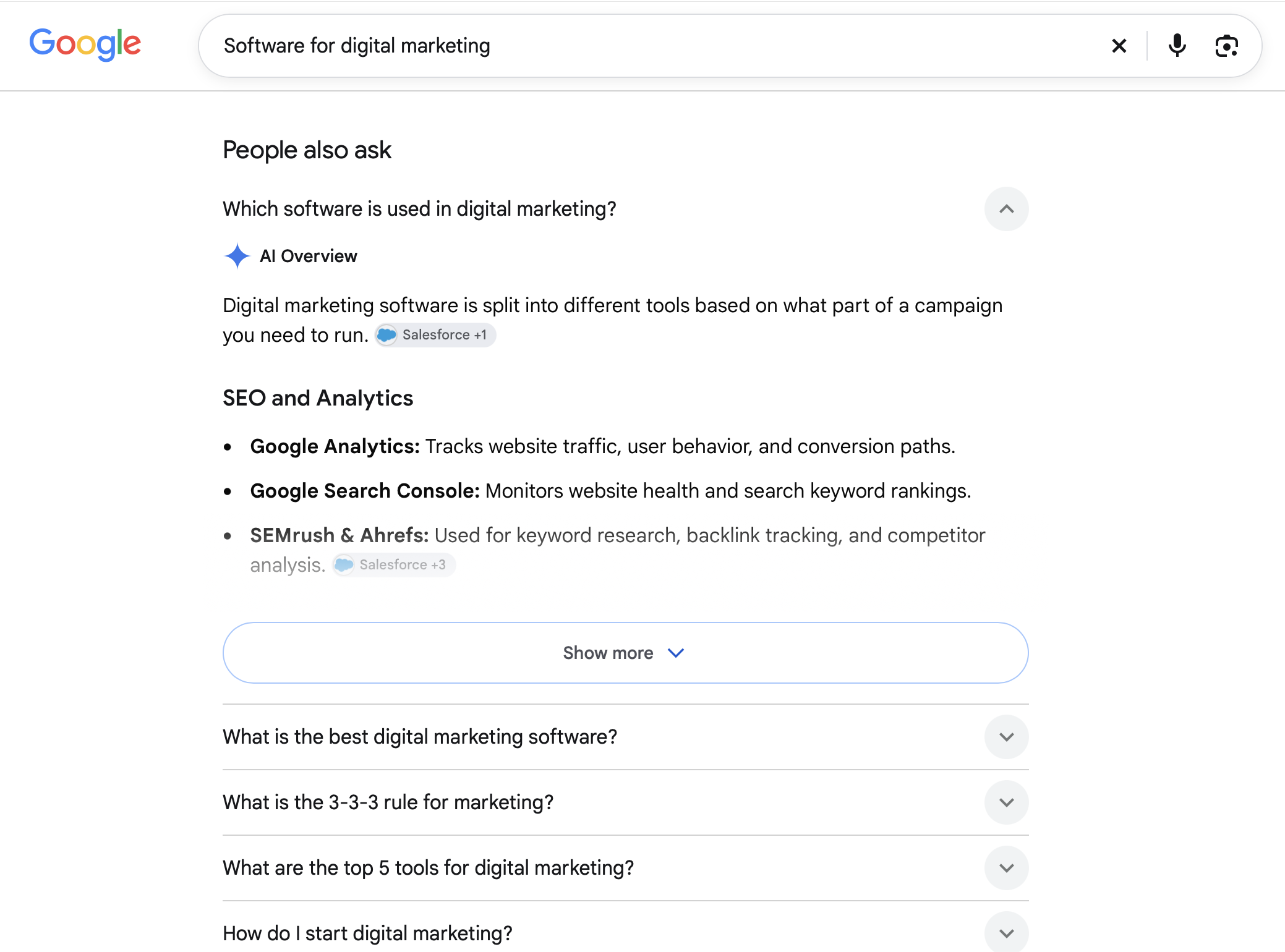
Where AEO fits in
You'll often see GEO mentioned alongside AEO, or answer engine optimization, and the two get used almost interchangeably. The distinction is narrow but useful: AEO specifically targets structured, question-and-answer formats — the kind of content built to win a voice search result or a direct answer box. GEO is the broader discipline of optimizing for any generative AI output, answer boxes included.
In practice, the two overlap heavily. If you're writing content that directly answers a specific question, you're doing AEO work.
If you're also thinking about how that content gets cited, paraphrased, and trusted by a generative model more broadly, you're doing GEO. Most businesses need content that covers both areas.
Why GEO, AEO & SEO matter now
Larger companies with existing content libraries and established authority are adapting to this shift slowly, in part because they have more to restructure. A small brand that gets its GEO fundamentals right now can out-cite a much bigger competitor whose content wasn't built with AI extraction in mind.
It also matters because the audience most small businesses are chasing — an always-on generation that researches everything before making a decision — increasingly starts that research with an AI query, not a search bar. If your brand's expertise isn't structured in a way an AI system can find and trust, you're invisible at exactly the point where trust gets built.
How to analyse the differences

A simple GEO checklist
You don't need to overhaul your entire site to start improving GEO performance. Start here:
Answer the core question in the first two or three sentences of any page
Don't make a reader (or an LLM) scroll to find your point.Use descriptive headers that mirror real questions
"What is _____?" performs better for extraction than a non-descriptive headline like: Overview.Add structured data markup
(Organization, Service, FAQ schema) so machines can read your site's facts directly, not just infer them from prose.Keep your facts consistent everywhere
On your website, your Google Business Profile, your social bios, and any directories you're listed in should all agree on what you do, where you're based, and what you offer.Cite sources and data where relevant
Content that references credible outside information tends to be treated as more trustworthy by generative models, the same way it reads as more credible to a human.Publish content regularly
Freshness signals matter more to generative systems that prioritize recency than they historically did to traditional search rankings.
How a GEO/AEO audit works
We review what's currently working, what's inconsistent, and where the highest-impact fixes are.
A GEO/AEO audit typically includes:
A review of current SEO practices and results
A review of how your current content answers (or fails to answer) the questions your audience is actually asking
A consistency check across your site, listings, and profiles
A structured-data and technical assessment
A prioritized action plan, split into quick fixes and longer-term content investments
That's the same shape as a traditional SEO audit, adjusted for a search landscape that now includes AI-generated answers as a primary destination, not a side effect.
We look at the entire picture
Next steps to work on your SEO, GEO & AEO
If you want a clearer picture of how your own content shows up — or doesn't — in AI-generated searches, fill out the form below to request more information.