
Resources
Journal
Resources to help you write, publish, & produce better books, content & digital marketing tips to increase reach

How do I choose between a manuscript review, developmental edit, and line edit for my first novel?
This guide explains what each editing service does, who needs it, and how to choose which stage you’re at when writing your first novel.
How to improve specific details and contextual alignment when writing a book
Contextual keys are what surround a detail and tell the reader why it matters. Specificity without context does not help the reader understand your world.
Narrative structures for writing fantasy books
Fantasy structure is most often world-driven. The story has to work as a plot and also introduce, explain and describe an invented world, all without stalling the pace. Narrative structure can help to make sure the rules, stakes and consequences are evenly paced and hit at the right moments.

Narrative structure for non-fiction books
Every non-fiction book has a narrative, even when it has no plot. The narrative is the path the reader travels, from the problem you open with to the change you promise at the end.
10 themes to help you write a dark academia novel
Dark academia takes the gothic's dread and sets it inside libraries, lecture halls and candlelit common rooms. Its ingredients are old stone, dead languages and brilliant people doing terrible things in the name of learning. These ten themes give you the structure underneath the aesthetic.
Famous Gothic novels to read
If you're writing a Gothic novel, reading widely across the tradition is one of the best ways to understand how flexible the form can be.
18 themes commonly found in gothic novels
Gothic novels often follow a set of themes. Read this article to deep-dive into the themes and find out which ones you might want to include in your gothic novel.
What makes a good book great
Learn the four elements that make a book great, with writing tips from a developmental editor — and find out what your manuscript might be missing.
How to create your own writing style guide as a fiction author
Readers notice inconsistency even when they can't name it. A character's name spelled two ways, or a magic system term capitalised in chapter three, and lowercase in chapter twelve. One way to track and fix any inconsistencies is through a dedicated manuscript style sheet.
What is the difference between substantive editing and developmental editing?
Substantive editing and developmental editing are not the same, though they are closely related and the terms are sometimes used interchangeably in the publishing industry.
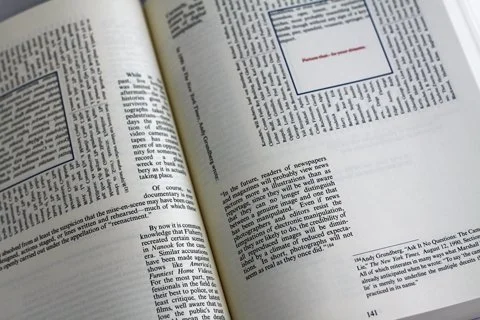
Interesting ways to format your book
There is a writing prompt making the rounds where authors use the following prompt to create their own books. “POV: You are writing a book where the main character slowly goes insane, and the text of the actual book starts reflecting their madness."
Let’s take a look at how you can use this technique in your books.

Breaking writing rules
The difference between a rule broken well and a manuscript that just needed a firmer edit comes down to one thing: intent.
Using writing techniques to elicit emotions from readers
Breaking down eight reactions writers chase most often, the mechanics behind each one, and where to see the technique working in published books.
Finding your writing style
When a book leaves you crying, or staring at the wall trying to process what you just read, or laughing out loud on a train, none of that happened because the writer told you to feel it. It happened because the writer built a structure that made the reaction possible.

Starting your own publishing company as an author
This guide covers why authors choose to start their own publishing company, what to watch for, how international rights and print runs factor in, and how the basic options differ across the US, the UK, Germany and Australia.
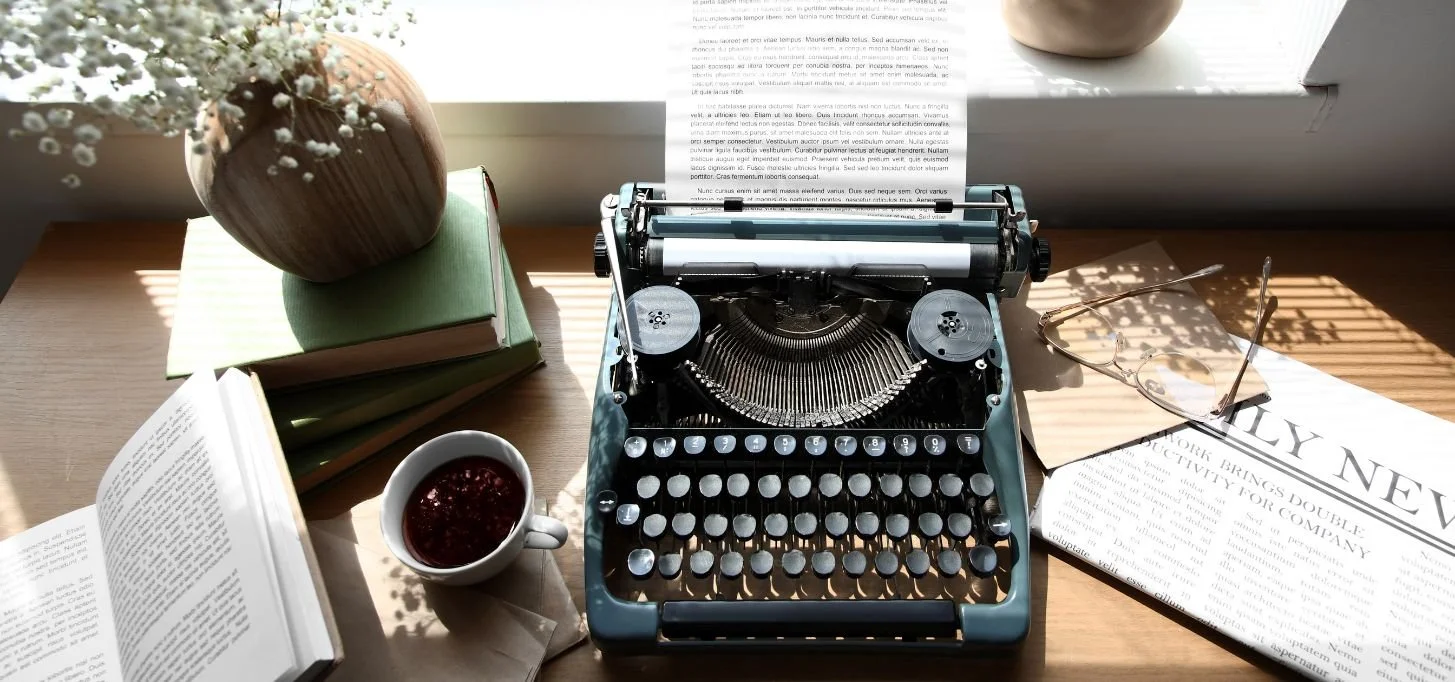
Naming conventions and styles in fantasy books guide for writers
A name is often the first piece of world building a reader encounters, sometimes before a single line of description. It tells them whether they're in a windswept Norse-coded fjord or a lacquered East Asian-inspired court, whether the tone leans mythic or gritty, and whether they should expect the story to take itself seriously.

User generated content for indie authors
This guide covers what UGC actually is, how it works as a discovery mechanism, how to get more of it without feeling like you're begging, where to focus your energy by channel and what to do first.
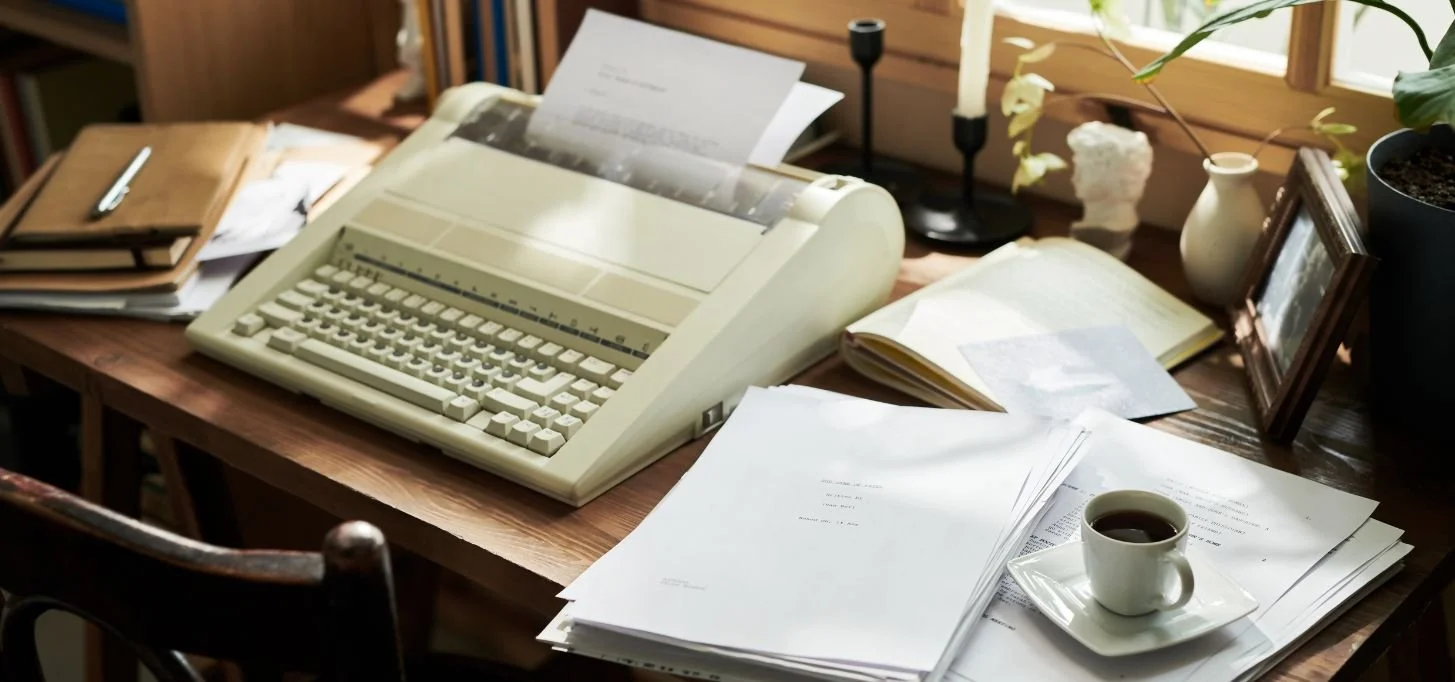
What shape should your book be in before you hire an editor?
Hiring an editor is an important milestone. It usually means you have reached the point where you are ready to stop looking at your manuscript as a work in progress and start looking at it as a book.

Developing your book from idea into a first draft for pantsers
You’ve got 20,000 words sitting in a messy first draft. How do you take that and turn it into a book?

What makes a reader not want to put your book down?
Over the years we have read a lot of books. Some of them we read in one sitting, with our bodies going into lockdown from being stuck in the same position for hours on end. It begs the question: what exactly is in the book that made us not move for twelve or more hours to finish the book?