
Book editing, editorial & publishing
Whether you’re developing an idea, wrestling with a difficult middle, trying to bring order to a completed manuscript or preparing your book for publication, Fae Media offers editorial guidance and book editing for fiction and nonfiction authors.
A good book needs more than polished sentences. It needs a clear direction, a compelling structure, characters and ideas that hold the reader’s attention, and a reason for every chapter to be there.
From the first outline to the final proofread, I work with authors to develop stronger manuscripts, make thoughtful editorial decisions & prepare books for publishing.
Every book has a story. Let’s make it work.
Start wherever you are in the writing process
Do any of the following problems sound familiar?
I’m stuck on the first draft and can’t finish it
I’ve got a finished draft ready but something is missing and I don’t know what
I’ve got 20,000 words written but don’t know how to proceed
There are gaps in my plot and I don’t know how to fix them
You don’t need a finished manuscript to work with an editor. Nor do you need to know exactly what kind of editing your book requires.
Some authors need help turning a collection of ideas into a workable book. Others have a complete manuscript but know that something isn’t quite working. You might need an experienced editorial perspective, a thorough developmental edit or a final language edit before publication.
The right approach depends on the book, its stage of development and what you want to achieve.
We’re in this together
Take it step by step through the writing process, we’ll hold your hand all the way and help you to get your book into the greedy hands of readers.
Develop your book
Turn an idea into a book with direction and purpose.
You might have a premise, a collection of research, a rough outline or several chapters that haven’t quite come together. Book development helps you establish what the book is about, who it is for and how its ideas or narrative should unfold.
Services include:
Book concept and idea development
Book structure and outlining
Character development and narrative planning
Nonfiction chapter planning and reader journey
Book proposals and publishing preparation
Editorial guidance throughout the writing process
This is particularly useful if you are starting a book, have several competing ideas or need a stronger plan before committing to a full manuscript.
Explore book development
Prepare your book for publication
Make informed decisions about how your book reaches readers.
Once your manuscript is ready, there are several ways to approach publication. You might want to submit to literary agents and publishers, publish independently or explore a supported hybrid publishing model.
I can help you understand your options, prepare your manuscript and make sure the editorial work is in place before publication.
Services include:
Publishing route and strategy guidance
Book proposal preparation
Submission and manuscript preparation
Independent publishing guidance
Editorial preparation for self-publishing
Hybrid publishing through Fae Editions
For authors who want a more supported route, Fae Editions offers a publishing service that brings together editorial development, book production and distribution.
Refine your manuscript
Make the book stronger, clearer and more compelling.
A manuscript can be complete and still need considerable editorial work. Perhaps the plot loses momentum, the argument needs a clearer structure, characters lack depth or sections feel disconnected. Or perhaps the content is working well but the writing needs more precision.
Editorial services are designed around what your manuscript needs, rather than applying the same process to every book.
Services include:
Manuscript assessments and editorial reports
Developmental editing
Structural and substantive editing
Line editing
Copyediting
Proofreading
You can commission an individual service or combine stages where appropriate.
Explore manuscript editing
Editorial services for fiction and nonfiction
Every genre has its own expectations, conventions and challenges. A fantasy novel needs a different kind of editorial attention from a memoir, a business book or a collection of essays.
The editorial process begins with understanding the book you are trying to write, the readers you want to reach and the experience you want to create.
Fiction editing
I work with fiction writers across genres, including:
Fantasy & speculative fiction
Literary fiction
Mystery & crime
Dystopian fiction
Horror & gothic fiction
Science fiction
Historical fiction
Romance fiction
Dark academia fiction
YA & children’s fiction
Build a story that holds together, draws readers in and stays with them.
A compelling novel is built from many interconnected elements. Character, plot, setting, pacing, point of view, tension and prose all contribute to the reader’s experience. When one element is underdeveloped, it can affect the entire story.
Fiction editing looks at how these elements work together and where the manuscript could become stronger.
Depending on the manuscript, editorial attention may include:


Plot & narrative structure
Does the story have a clear narrative direction? Are the central conflicts developed and resolved effectively? Do the events build on one another, or are there gaps, diversions or unnecessary complications?

Character development
Are the characters believable, complex and consistent? Do their decisions make sense within their circumstances? Are their motivations, relationships and internal conflicts sufficiently developed?
Point of view & narrative voice
Is the chosen perspective effective? Does the narrative voice remain consistent? Are changes in viewpoint clear and purposeful?

Character arcs & relationships
Do characters change in meaningful ways? Are relationships given enough time to develop? Does emotional progression feel earned rather than rushed?

Themes & narrative threads
Are the central ideas developed throughout the story? Do recurring images, relationships, conflicts and themes contribute to a cohesive reading experience?

Worldbuilding & setting
Does the world feel coherent and convincing? Are its rules, history, cultures and environments sufficiently developed? Is information revealed naturally, or does the reader have to work too hard to understand the world?
Pacing & tension
Does the story maintain momentum? Are quieter sections doing enough work? Do important scenes have room to develop, and do revelations arrive at the right time?

Prose & dialogue
Does the writing suit the story? Is the dialogue convincing? Are descriptions, exposition and internal thoughts helping the reader experience the narrative?
The objective is not to make every novel follow the same formula. It is to understand what the author wants the book to do and identify the editorial decisions that will help it get there.
Non-fiction editing
I work with fiction writers across genres, including:
Memoir & biography
Self-development & psychology
Essays & narrative nonfiction
Alternative lifestyle
History & historical research
Specialist & subject-led books
Business & professional
Cultural & social commentary
Arts, literature & humanities
Travel & lifestyle
Give your ideas the structure and clarity they deserve.
A strong non-fiction book needs a clear purpose, a defined readership and a compelling reason for someone to keep reading. It also needs a structure that makes complex information accessible without losing depth or nuance.
I work with non-fiction authors to develop, organise and refine books that communicate ideas, expertise, research and experience.
Depending on the project, editorial attention may include:
Concept and reader promise
What is the book about, who needs to read it and what will they take away from it? Is the central idea sufficiently focused and distinct?

Structure and chapter development
Does the book progress logically? Are chapters arranged in a meaningful order? Are there gaps, repetitions or sections that need to be moved, expanded or removed?
Author voice and expertise
Does the writing communicate the author's knowledge and perspective? Is the tone appropriate for the intended readership?

Argument and narrative
Are the ideas developed convincingly? Does the book balance evidence, explanation and narrative? Are claims supported and the reasoning clear?
Consistency and cohesion
Do the chapters work together as a complete book? Are terminology, tone, themes and arguments consistent throughout?

Clarity and accessibility
Can readers follow the ideas without unnecessary complexity? Are specialist concepts explained effectively? Does the book respect the reader's time and attention?
Research and context
Is the material presented with enough context? Are there areas that need further research, clarification or supporting examples?
Prose & dialogue
Does the writing suit the story? Is the dialogue convincing? Are descriptions, exposition and internal thoughts helping the reader experience the narrative?
Whether you are writing your first book or developing a manuscript based on years of professional experience, the editorial process should make your ideas clearer without stripping away what makes them yours.
Choose the editorial support your manuscript needs
Not every book needs every type of editing. The services below can be commissioned individually or combined into a larger editorial project.
Book development and guidance
For authors who have an idea, a collection of material or an early manuscript and need help establishing a clear direction.
This can include developing the premise, identifying the intended reader, shaping the book's structure, planning chapters, developing characters or organising research.
Book development is particularly useful when you have plenty of material but are struggling to turn it into a coherent manuscript.
Manuscript assessment
An independent editorial assessment gives you a clear picture of how your manuscript is working and what needs attention.
Rather than editing every sentence, I read the manuscript as a whole and provide a detailed report covering its strengths, weaknesses and opportunities for development.
Depending on the book, this may address:
Overall structure and organisation
Plot, argument or narrative development
Characterisation and relationships
Pacing and progression
Point of view and narrative voice
Worldbuilding and context
Clarity, consistency and cohesion
Areas that need expansion, revision or removal
You receive an editorial report with practical recommendations to guide your next revision.
A manuscript assessment is useful if you want an expert perspective before undertaking a substantial rewrite, or if you are unsure what kind of editing your book needs.
Line editing
Line editing focuses on the writing itself, sentence by sentence and paragraph by paragraph.
It looks at how effectively the prose communicates meaning, tone and atmosphere. The aim is to improve clarity, rhythm, flow and expression while preserving the author's voice.
This may include:
Improving sentence structure and flow
Removing repetition and unnecessary wording
Strengthening descriptions and explanations
Refining dialogue and transitions
Improving clarity and readability
Maintaining a consistent narrative voice
Line editing is most useful when the structure and content are already in good shape.
Book outlining and structure
A detailed outline gives you a framework for writing and helps identify structural problems before they become embedded in the manuscript.
For fiction, this might involve plotting the main narrative, mapping character arcs, developing subplots and identifying important turning points.
For nonfiction, it might involve defining the reader journey, establishing the chapter sequence, organising arguments and identifying where additional research or examples are needed.
The result is a practical working structure that gives you direction without taking away the flexibility of the writing process.
Developmental editing
Developmental editing examines the manuscript at a deeper level. It looks at how the book works as a complete piece of writing and identifies the changes that could make it more effective.
This is a collaborative process. We look at the manuscript's structure, purpose, narrative and development, then work through the editorial decisions needed to strengthen it.
For fiction, that may mean reworking plot progression, deepening character motivations, resolving pacing problems, developing relationships or making the world more coherent.
For nonfiction, it may mean restructuring chapters, strengthening the central argument, improving the reader journey, identifying gaps in the material or bringing the book's central promise into sharper focus.
Developmental editing is particularly valuable when a manuscript has potential but isn't yet achieving what you want it to.
Copyediting
Copyediting addresses the technical consistency and accuracy of the text.
It includes grammar, spelling, punctuation, syntax, usage and consistency, as well as checking that the manuscript follows an agreed style.
This stage helps ensure the writing is clear, consistent and professionally presented.
Proofreading
Proofreading is the final check before publication. It identifies remaining errors and inconsistencies in the text, including spelling, punctuation, formatting and typographical issues.
It is normally carried out after editing and layout, when the book is close to its final form.
Proofreading is not a substitute for developmental editing or a full language edit. If a manuscript still needs substantial rewriting, it is better to address that before the final proof.

A clear editorial process from first conversation to final manuscript
Every project is different, but the process should never be mysterious. You should understand what is being reviewed, what work is proposed and what you can expect to receive.
1. Tell me about your book
Get in touch with a description of your project, including its genre or subject, approximate word count, current stage and what you think it needs.
You don't need to know the technical name for the service. A clear explanation of where you are stuck is a good starting point.
2. We assess the project
I'll review the information you provide and, where appropriate, a sample of the manuscript. This helps establish the scope of the work and whether the project is a good fit.
3. Receive an editorial proposal
You'll receive a recommendation outlining the proposed service, scope, deliverables, estimated timeline and fee.
For larger projects, the work may be divided into stages so that you can make decisions as the manuscript develops.
4. Begin the editorial work
Once the scope is agreed, the editorial work begins. Depending on the service, this may involve a written report, an edited manuscript, structural recommendations or a combination of editorial feedback and discussion.
5. Put the recommendations into practice
You'll have a clearer understanding of what is working, what needs attention and how to move the book forward. For some projects, further editorial stages may be appropriate after revision.
Publishing your book
Editing and publishing are related, but they are not the same thing. You can work with Fae Media on your manuscript and take it to any publisher or publishing platform you choose.
There are three broad routes to consider.
Traditional publishing
Traditional publishing generally involves submitting your manuscript or proposal to literary agents and publishers. If a publisher acquires the book, it takes responsibility for publication under the terms of your publishing agreement.
I can help you prepare your manuscript and proposal, develop the book's positioning and understand what needs to be in place before approaching the industry.
Hybrid publishing through Fae Editions
Fae Editions is the publishing arm of Fae Media, offering a supported publishing route for selected independent authors.
It brings together the editorial and production services needed to take a manuscript towards publication. Depending on the project, this can include:
Developmental and manuscript editing
Line editing and proofreading
Interior book layout
Cover design
Preparation and upload to major book platforms
Distribution setup
Publication under the Fae Editions imprint
Marketing materials
Hybrid publishing is a paid publishing service, not a traditional publishing deal. Authors should understand the services, costs, rights, responsibilities and publishing terms before committing.
The service is tailored to the manuscript and its requirements. Projects are assessed individually, with publishing packages currently starting from €3,000.
Independent publishing
Independent publishing gives authors control over the publication process. You choose the publishing platform, commission the services you need and make decisions about production, distribution and marketing.
This route requires careful planning. Editorial quality, book design, metadata, distribution and discoverability all contribute to the finished product.
I can help you prepare your manuscript and make informed decisions about the editorial and publishing work required.

Working with English-language manuscripts
Fae Media provides editing and editorial guidance in English.
I work with original English-language manuscripts as well as manuscripts that have already been translated into English. If your book was originally written in another language, it must have an existing English translation before I can assess or edit it.
I don't offer translation services.
For translated manuscripts, an initial English-language sample is required so that I can assess the writing and determine whether the project is suitable for editorial work.

Who I work with
I work with writers at different stages of their publishing journey, from first-time authors developing an idea to experienced writers preparing their next book.
You might be:
Writing your first novel and unsure how to structure the story.
Revising a manuscript that has become difficult to manage.
Developing a fantasy world with several characters, timelines or narrative threads.
Writing a nonfiction book based on your professional expertise.
Turning years of research into a coherent manuscript.
Preparing a memoir or collection of essays.
Looking for an independent editorial perspective before submitting to agents or publishers.
Self-publishing and wanting your book to receive professional editorial attention.
Looking for a supported publishing route through Fae Editions.
The common thread is a desire to make the book as strong as it can be.

A little about Fae Media
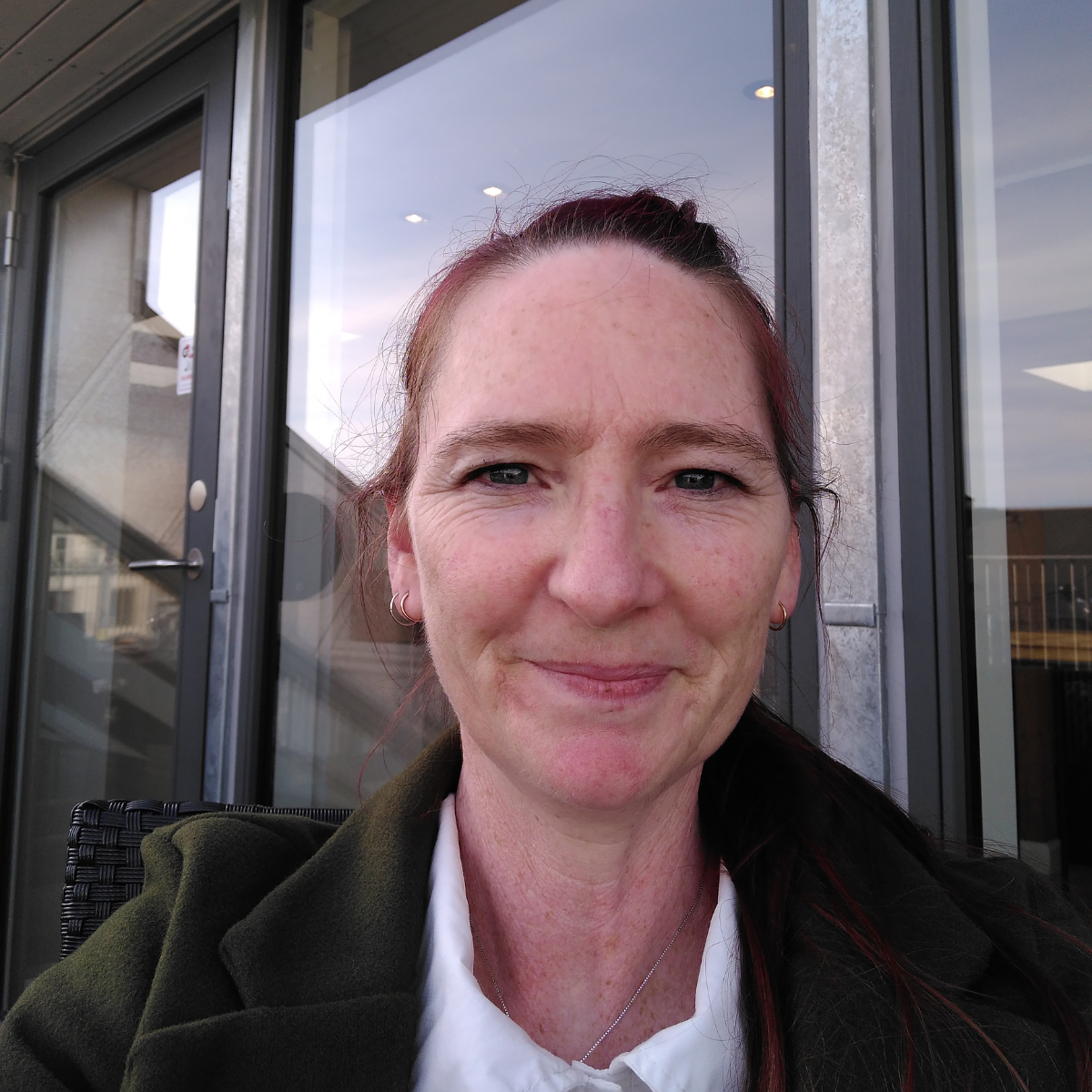
Fae Media is an independent editorial and publishing consultancy based in Berlin, working with authors internationally.
Founded by editor and writer Naomi Anne Little, Fae Media brings together editorial experience, publishing knowledge and a practical understanding of what it takes to develop and produce a book.
The approach is thoughtful, collaborative and grounded in the work itself. Every manuscript has different requirements, and editorial feedback should be specific enough to help you make real progress.
The aim isn't to impose a formula on your writing. It's to help you understand the book you're trying to create and make the decisions that will bring it closer to that vision.
Journal